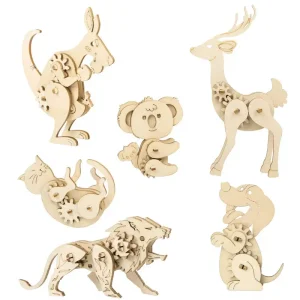
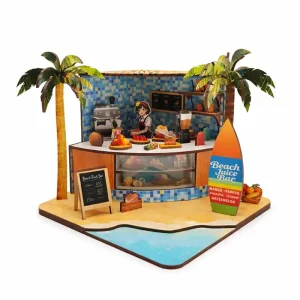
Precision-engineered wooden kit assemblies and structures constructed utilizing state-of-the-art CAD modeling and automated laser cutting systems.

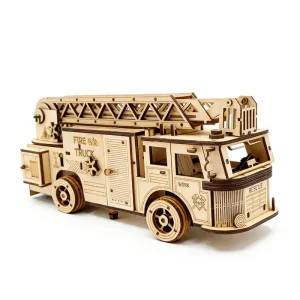
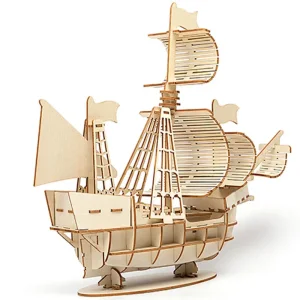
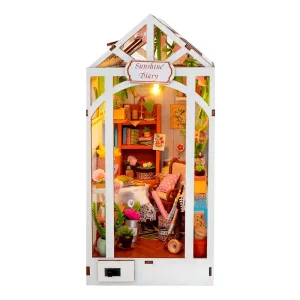
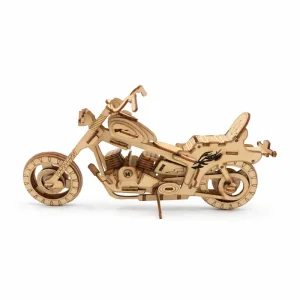
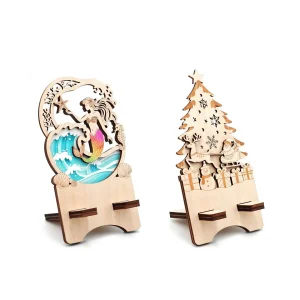
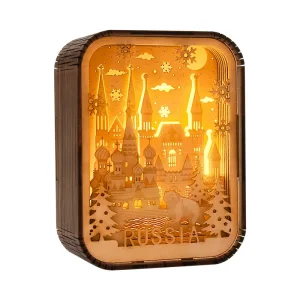
The global demand for high-precision wooden handmade model kits is transitioning from simple hobbyist assemblies into high-margin B2B assets. Modern toy brands, educational institutions (Montessori frameworks), and specialized museum retailers require more than raw manufacturing; they seek optimized supply structures. Strategic alignment with factories capable of integrating advanced CAD structural designs, precise laser cutting, and complex supply chain compliance is crucial for brand value retention.
We source top-tier raw materials including Russian Basswood, Poplar, and Medium-Density Fiberboard (MDF). Premium Grade-A Russian Basswood is highly valued for its uniform density and fine texture, minimizing fiber breakout during high-power laser slicing. Standardizing moisture levels between 8% to 12% ensures high stability during maritime transit, preventing structural warping across varying climate zones.
Our structures utilize precise snap-fit friction profiles designed to function without adhesive. Engineered kerf compensation (down to 0.05mm offsets) accommodates physical expansion, ensuring smooth mechanical actuation of wooden gear chains and structural joints.
By establishing rigorous raw material classification criteria, Linyi Wooden Toys Limited Company manages the inherent structural limitations of natural wood. The alignment of timber grain orientation with structural stress vectors ensures that load-bearing elements of miniature models are resistant to environmental shear stress, keeping critical assemblies structurally sound.
Modern consumers demand tactile engagement blended with technological interaction. Leading-edge production requires combining physical wood with miniature LED setups, sound systems, and micro-actuators. This convergence shifts production from basic carpentry into precision industrial manufacturing, demanding specialized expertise.
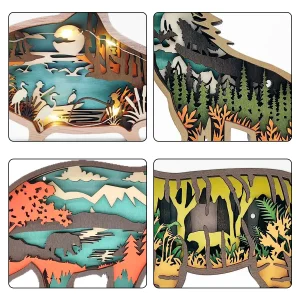
Integrating ambient lighting into structural wooden kits (such as greenhouse and cityscape themes) presents challenges regarding thermal dissipation and space optimization. Modern manufacturers address this by routing custom-insulated copper wires through pre-routed structural channels in the plywood sheets. The low-profile LED elements operate on low-voltage DC power (typically 3V to 5V), adhering to standard electronics directives like EN IEC 62115.
Unlike traditional pad printing, high-resolution UV curing methods print vivid, multi-layered color profiles directly onto processed plywood. The UV-curable inks cure instantly under high-intensity ultraviolet radiation, establishing a robust polymer film that resists scratching, fading, and peeling. This solvent-free decoration technique meets global chemical regulations, ensuring clean edges and detailed surfaces.
Navigating design transitions from concept art to shelf-ready SKU boxes requires systematic engineering validation. A typical concept design must proceed through five distinct development phases to balance design complexity with manufacturing costs:
Conversion of 2D artist drawings into three-dimensional flat-pack CAD designs. Visual layers are separated for laser engraving, vector marking, and deep cutting profiles.
Initial prototyping uses high-speed CO2 laser tubes. Certified technicians assemble the prototypes to identify structural friction issues, loose joint tolerances, and weak stress points.
Arrangement of model components on standard wood sheets to minimize waste. Laser cutting speeds and frequencies are optimized to prevent surface soot and charring.
The manufacturing ecosystem at Linyi Wooden Toys Limited Company provides end-to-end B2B solutions. By overseeing all operations—from initial digital nesting and UV flatbed printing to structural testing, custom assembly manuals, and private-label packaging—our clients secure shorter lead times, lower shipping costs, and reliable product consistency.
Exporting wooden kits to competitive markets requires adherence to strict safety and chemical usage regulations. Compliance documentation is essential for import customs clearance and retail placement.
Depending on your target distribution region, products must comply with the following essential standards:
The application of precision-engineered wooden kits extends beyond traditional toy shelves. Companies can position these versatile products across multiple high-yield markets:
Historically accurate architectural replicas (such as sailing ships, vintage vehicles, and classic landmarks) serve as premium souvenirs, aligning with the educational focus of cultural institutions.
Mechanical wooden models demonstrating gear ratios, levers, and optical principles support hands-on learning, encouraging spatial visualization and motor skills development.
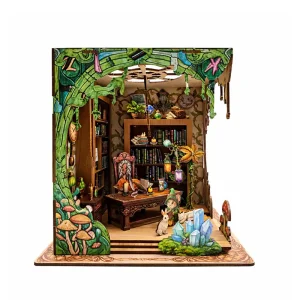
Licensed IP custom builds (e.g., character dioramas, seasonal book nooks) offer engaging marketing assets and premium gifts that build brand recognition.
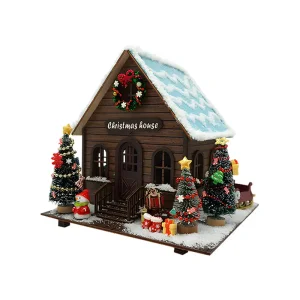
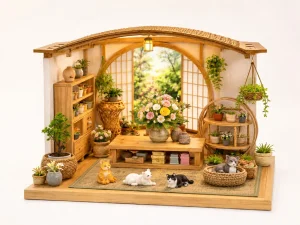
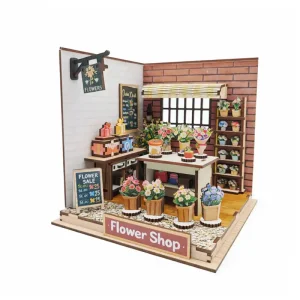
Explore our premium miniature house kits, illuminated book nooks, and detailed holiday models for retail programs.
The manufacturing processes for wooden B2B craft kits are evolving. Brands can leverage new technologies to build key competitive advantages:
With global safety regulations tightening, standard urea-formaldehyde adhesives are being replaced by bio-based, ultra-low emission options. Developing toys and puzzles with plant-derived starches or soy proteins ensures compliance with strict international chemical standards. This switch supports eco-friendly marketing initiatives while maintaining assembly strength.
Traditional paper manuals are being expanded with digital support. By scanning QR codes on the packaging, consumers can access 3D animations and augmented reality (AR) instructions. This helps builders visualize complex steps, reducing assembly errors and customer support requests.
Integrating high-efficiency fiber lasers and multi-axis CNC machines allows factories to produce complex designs with fine details. Precision cutting heads generate narrow cuts and clean profiles, minimizing surface burns. This high level of detail makes it easier for hobbyists to assemble models without sanding or trimming, delivering a premium user experience.
 CraftODM