High-Quality Small House Factory & Companies

The Definitive Whitepaper on Global Miniature Architecture, Precision DIY Wooden Kits, and B2B Micro-Manufacturing Ecosystems

1. Global Industry Status of Miniature Wooden Architecture

Understanding the macroscopic shift from traditional model making to high-precision structural miniature production.

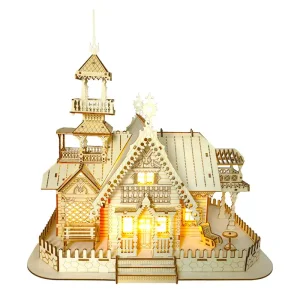
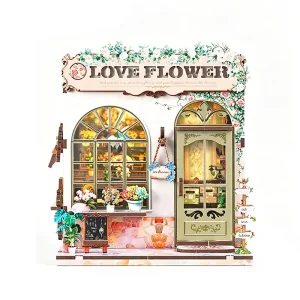
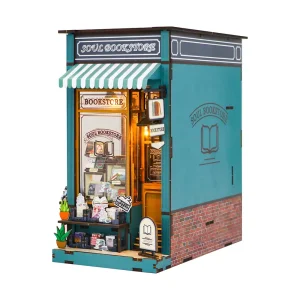
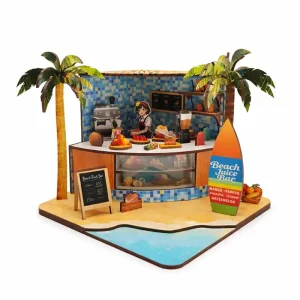
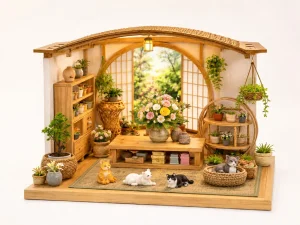
The terminology "Small House Factory" has evolved significantly. While historically referencing prefabricated modular homes, modern search intent highlights an explosive growth sector: precision-engineered wooden miniature homes, scale model kits, and book nooks. This market segment bridges consumer craft assembly, spatial design, and sensory-focused retail. Today, global supply chains depend heavily on high-precision laser-cutting processes, eco-certified timbers, and advanced design integration to satisfy a growing global audience.
In the post-digital age, consumers seek offline, tactile experiences to counteract digital fatigue. This paradigm shift has propelled DIY micro-architecture from a niche hobbyist subculture into a multi-billion dollar category across North America, the European Union, and East Asia. Key industrial drivers include the rise of private label lifestyle brands, educational STEM/Montessori initiatives, and high-end book accessories (Book Nooks) designed to add value to personal interior design spaces.
12%+
CAGR Growth (2023-2030)
99.8%
Laser Cutting Precision
100%
FSC Compliant Wood
200+
Flexible OEM/ODM Moq

2. Key Industry Trends & Market Drivers

How technology and environmental governance are reshaping the miniature manufacturing framework.

1. Integration of LED & Embedded Circuits

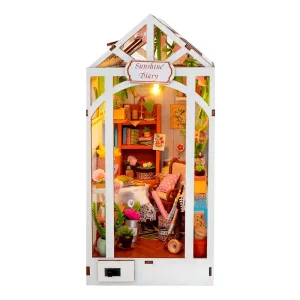
Modern consumers demand immersive aesthetics. The inclusion of touch-sensitive light switches, warm LED arrays, and micro-battery housing inside wooden dioramas has changed consumer perception from simple models to ambient interior lighting options.

2. Rigid Global Chemical Standards

Compliance is paramount. High-quality production centers focus on achieving CE, EN71, REACH, RoHS, and EN IEC 62115 credentials to ensure products enter heavily regulated markets like the US and EU without custom delays.

3. Structural Customization via CAD

Rapid prototyping cycles mean factories must offer structural engineering adaptions. Developing seamless snap-fit structural joints ensures end users can build kits without structural failures or excessive glue reliance.

3. Manufacturing & Customization Technology Roadmap

From sustainable raw materials to high-precision laser-cutting and UV print processing.

Step 1: Sustainable Raw Wood Procurement & Treatment

Utilizing high-grade basswood, poplar, and medium-density fiberboards (MDF). Premium raw materials undergo kiln drying to ensure dimensional stability and to prevent warping under varying climate conditions worldwide.

Step 2: CAD Structure Engineering & Kerf Compensation

Using advanced computer-aided design (CAD) programs. Structural engineers configure the kerf compensation factor—the wood burned away during laser slicing—ensuring a secure snap-fit experience for customers assembling their kits.

Step 3: High-Resolution Industrial UV Printing & Etching

Integrating color depth directly onto wood panels. Multi-pass industrial UV printers transfer pigments to the timber substrate, providing fade-resistant and scratch-resistant artwork that matches precision-etched panel lines.

Step 4: Quality Assembly Testing & Packaging Safety

Every batch undergoes rigorous test assemblies to confirm layout alignment. Multi-language instruction manuals, integrated LED components, and protective foam sheets are packaged inside custom boxes to survive sea and air logistics cycles.

4. Comprehensive OEM & ODM Macro Solutions

How we streamline product sourcing, shipping optimization, and certification for international enterprises.

Global trade presents distinct challenges: custom clearance hurdles, long lead times, product safety liabilities, and varying environmental requirements. A leading small house factory addresses these challenges by offering one-stop services. This spans structural design adjustments to accommodate regional safety trends, sourcing FSC-certified materials to meet corporate ESG demands, and designing shock-absorbent packaging optimized for modern e-commerce delivery routes.
By offering customizable solutions starting at a low MOQ of 200 units, we help brands test local markets without committing to huge initial order volumes. This agile manufacturing process protects private labels from holding excess inventory, while allowing rapid iteration of product themes in response to viral social media trends.

Featured Industrial Partner: Linyi Wooden Toys Limited Company

Core credentials and structural service capabilities of our primary manufacturing facility.

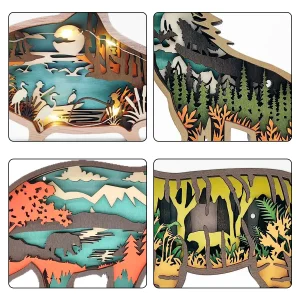
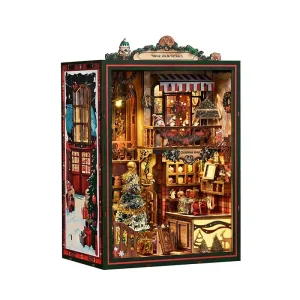
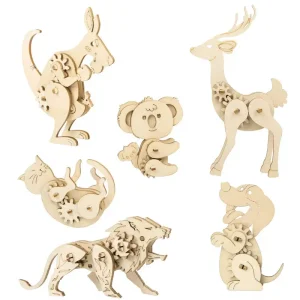
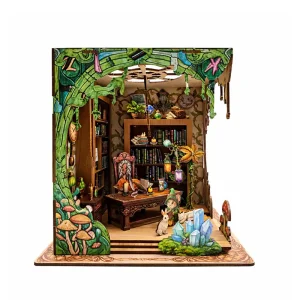
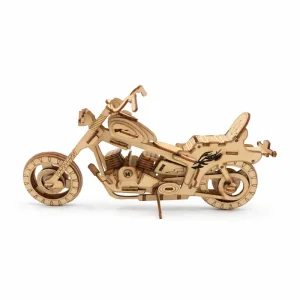
LINYI WOODEN TOYS LIMITED COMPANY is a professional OEM/ODM manufacturer specializing in wooden DIY kits, 3D wooden puzzles, miniature house kits with LED lights, book nook kits, wooden educational toys, Montessori toys and custom wooden craft products. We provide one-stop services from product concept development, structure design, laser cutting, laser engraving, UV printing, assembly testing and instruction design to custom packaging and bulk production. Our products are suitable for toy brands, gift retailers, hobby shops, museum stores, e-commerce sellers and private label buyers. Main materials include basswood, poplar and MDF. We support custom themes, logo, color, packaging, structure and OEM/ODM development. MOQ normally starts from 200 pcs. FSC material options are available, and product testing such as CE, EN71, REACH, RoHS and EN IEC 62115 can be arranged according to final product requirements and target market.

5. Localized Application Scenarios & Commercial Channels

Where and how miniature small houses connect with diverse consumer markets.

A. High-End Bookstore & Museum Gift Shops

As curated cultural spaces expand, custom-themed book nooks (such as medieval libraries or vintage shops) serve as premium impulse purchases. They complement classic books, bridging literature with visual lifestyle decor.

B. E-Commerce Platforms & Private Labels

With highly visual platforms like Instagram and TikTok driving consumer demand, aesthetic DIY miniature houses with warm LED setups perform exceptionally well. They provide excellent visual content, driving steady online conversions.

C. STEM & Montessori Educational Retailers

Scale assembly kits help children develop spatial thinking, fine motor skills, and logical reasoning. Utilizing clean, paint-free Poplar and Basswood models meets strict non-toxic safety profiles for educational markets globally.

Frequently Asked Questions (FAQ)

Answering structural, chemical, safety, and business-focused wholesale queries.

Q1: What raw woods are utilized in miniature house production?
We primarily utilize premium basswood, poplar, and MDF. Basswood is chosen for its tight grain structure, minimal warping, and resistance to laser charring, resulting in cleaner cuts and cleaner-looking finished models.
Q2: How does the factory manage structural assembly tolerances?
Our engineering team measures laser-cutting kerf variables (ranging between 0.05mm and 0.1mm depending on the selected wood sheet density). This ensures that every interlocking joint snaps together securely without requiring glues or sanding.
Q3: Which product testing certificates can be provided?
Depending on regional compliance requirements, we arrange test certification for CE, EN71, REACH, RoHS, and EN IEC 62115 (governing LED/electronic components). We also offer FSC certification to verify timber is sourced from sustainably managed forests.
Q4: What is the typical Minimum Order Quantity (MOQ) for custom projects?
Our standard OEM/ODM development process starts at a minimum order quantity (MOQ) of 200 pieces per design, allowing brands to launch products with lower inventory overhead.
Q5: How are electric and LED light systems integrated safely into wood?
Each kit includes pre-measured and pre-wired battery boxes, keeping wiring simple and secure. We design dedicated channels inside the wooden structures to keep wires hidden, ensuring both safety and a clean look.