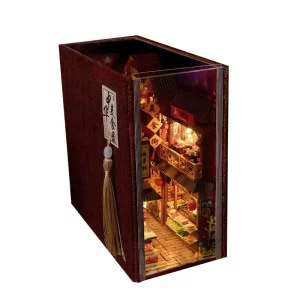
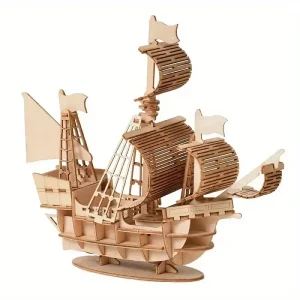
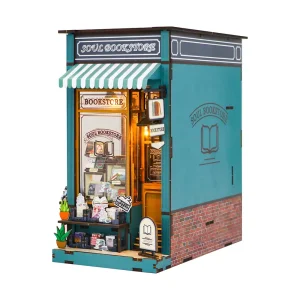
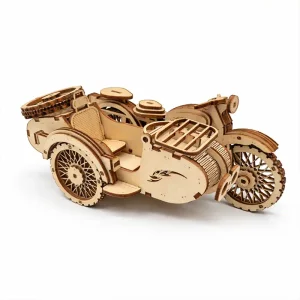
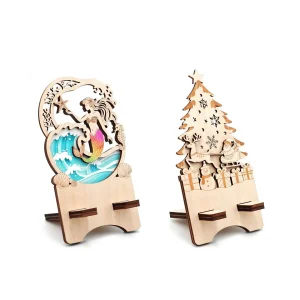
Explore our highly-sought OEM/ODM mechanical and structural wooden kit assemblies, engineered for maximum customer engagement.
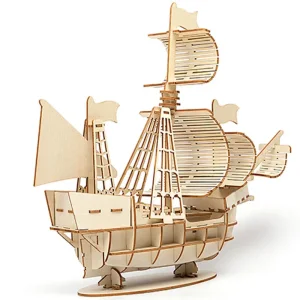
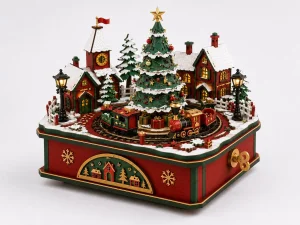
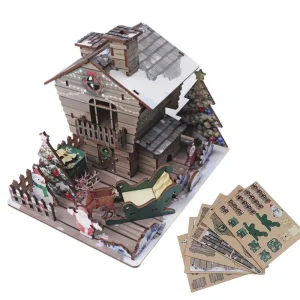
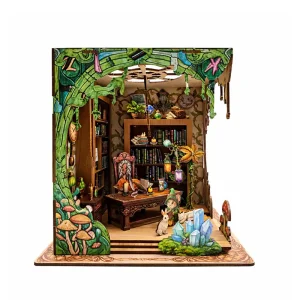
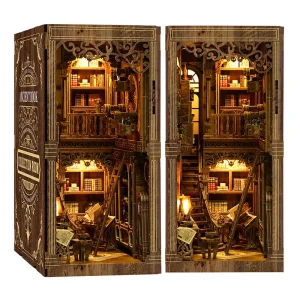
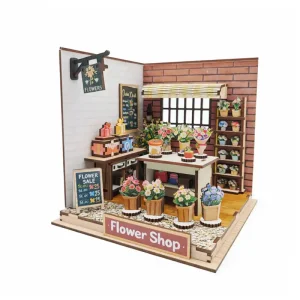
In the global educational toy and gift sector, the demand for complexity has undergone a monumental shift. Passive wooden puzzles are giving way to high-precision, interactive, and kinetic structures. As a result, businesses seeking to capture high-margin retail segments must understand the mechanical complexity, manufacturing parameters, and supply chain infrastructure that support the production of premium mechanical wooden puzzles and custom gear systems.
Modern custom gear wooden models are designed using rigorous physical simulation software (such as CAD and SolidWorks). The gears must maintain low friction without lubrication, requiring exact tolerance calculations. The standard thickness of basswood (limewood/tilia) plates is typically 2.0mm to 3.0mm, which provides the ideal balance between elasticity and sheer strength.
For planetary gearboxes, escape wheel assemblies, and clock escapements, a laser cutting tolerance of less than 0.05mm is vital. The gear teeth geometry profile is developed to maximize torque delivery from spring-loaded mechanisms or manual cranks without binding. Achieving this degree of precision requires industrial CO2 laser cutters that maintain focus across the entire wood sheet, preventing the tapered cuts common in lower-grade manufacturing.
"The core index of value in custom mechanical wood models is the 'Smoothness Index'. High-end brands verify structural integrity via kinetic simulation models, ensuring mechanical gears rotate continuously for at least 120 seconds on a single wind-up spring."
B2B procurement agents must evaluate pricing based on structural complexity, board density, and post-processing technologies (e.g., UV printing, integrated LED electronics, and customized hardware components). The table below outlines standard industrial costing matrices for various wooden model types based on volume.
| Model Complexity / Category | Standard Specs | Est. Unit Price (200 Pcs MOQ) | Est. Unit Price (1000+ Pcs) | Tooling / Setup Cost |
|---|---|---|---|---|
| Flat 3D Wooden Puzzles | 2-3 Sheets, 2mm Poplar | $2.20 - $3.50 | $1.50 - $2.40 | Waived |
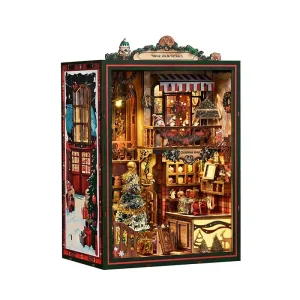
| DIY Book Nook Kits (with LED) | 4-5 Sheets, Basswood + PCB | $8.50 - $11.00 | $6.20 - $8.00 | $300 (Custom LED Circuit) |
| Kinetic Gear Systems / Music Box | Mechanical movement, Spring | $12.50 - $16.50 | $9.00 - $12.00 | $500 (Complex gear tooling) |
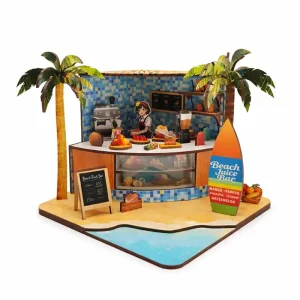
| Enterprise Customized Dioramas | Custom MDF + Basswood, UV Print | $18.00 - $25.00 | $13.00 - $17.50 | $800 (Full-scale prototyping) |
Based in the manufacturing hub of Linyi, Shandong, LINYI WOODEN TOYS LIMITED COMPANY stands out as a leading OEM/ODM manufacturer specializing in wooden DIY kits, 3D wooden puzzles, miniature house kits with LED lights, book nook kits, wooden educational toys, Montessori toys, and custom wooden craft products. The company provides a comprehensive service pipeline that covers the entire lifecycle of custom product development.
From initial design sketches and structural drawings to packaging engineering and sample testing, our engineers guide your vision from concept to market-ready product.
Our facility utilizes high-speed CO2 and UV laser engraving machines, ensuring zero tolerance anomalies on interlocking wood joints, even across thousands of units.
We source premium basswood, poplar, and MDF under FSC-certified supply chains, ensuring compliance with demanding international markets.
The factory leverages Northern China's raw timber resources and logistics networks to offer an entry-level OEM/ODM threshold of just 200 units, making it accessible for retail brands and e-commerce startups. With proximity to the Linyi logistics core and Qingdao Port, shipping transit times and container organization are streamlined to minimize global transit delays.
The manufacturing ecosystem in China offers scale, speed, and quality control that is difficult to replicate elsewhere. High-precision laser cutting, mechanical hardware manufacturing, and electronic integration are colocated in close proximity. This allows for quick prototyping turnaround times, often within 7 to 10 working days from design sign-off to a physical product sample.
Entering international toy and home decor markets requires adherence to safety and environmental standards. Our materials and manufacturing processes are tested against key international benchmarks:
High-volume exports require specialized shipping preparations. Mechanical gear kits are vulnerable to moisture and temperature fluctuations during ocean shipping, which can cause wood to warp. We address this issue by using vacuum-packed moisture barriers, silica gel packets, and heavy-duty, five-layer corrugated outer boxes to protect products throughout transit.
Understanding where these products are used helps target end consumers and optimize retail strategies. The market has expanded beyond traditional hobbyists into several key sectors:
Museums and cultural institutions use customized wooden puzzle models to recreate historic buildings, machinery, and museum artifacts. High-detail printing and packaging turn these puzzles into premium educational souvenirs with strong profit margins.
Schools and educational companies buy customized mechanical gear kits to teach students about kinematics, gear ratios, and simple machines. Wooden gear models provide a hands-on learning experience that reinforces science and engineering principles.
Custom gear models are used as corporate gifts to symbolize collaboration, precision, and forward-thinking. Brands can engrave logos and design models that represent their core technology or products, creating a memorable gift for clients.
We see growing demand for hybrid material integration—combining wooden frames with brass gears, acrylic panels, and custom lighting. Modern consumers also value eco-friendly finishes. Using organic wood oils and non-toxic water-based paints helps brands appeal to environmentally conscious buyers.
Get answers to common technical, financial, and logistical questions about sourcing and manufacturing custom wooden gear models.
Explore our selection of mini bookstores, book nooks, and detailed mechanical replicas designed for collectors and retailers.
 CraftODM