The global hobby and toy industries are experiencing an unprecedented paradigm shift towards natural, sustainable, and high-complexity assembly toys. Wooden model building kits, specifically mechanical automotive and vehicle kits, have moved beyond basic playthings to become complex, engineering-focused collectibles. This development is primarily driven by consumer demand for tactile, screen-free engagement and the systemic rise of STEAM (Science, Technology, Engineering, Arts, and Mathematics) learning structures globally.
For B2B buyers, distributors, and global brand owners, sourcing certified wooden vehicle assemblies means navigating complex quality parameters. Unlike plastic injection molded parts, precision engineered wood requires structural tolerances within 0.05mm to ensure reliable press-fit structural alignment. Achieving this level of engineering requires state-of-the-art laser processing and UV color-application systems, matching high design aesthetics with the structural safety demanded by international consumer markets.
Data gathered from global toy manufacturing trends, highlighting the growth in wood-based materials, sustainability certifications, and mechanical engineering kit demand.
Our production facilities utilize modern CO2 and fiber laser systems. The positioning accuracy of these machines is calibrated to ensure friction-based gear connections hold securely without glue, which is essential for complex mechanical car designs.
Compliance is non-negotiable. Our models are systematically tested for EN71 parts 1, 2, and 3. This guarantees physical safety against sharp edges, structural stability under load, and the absence of harmful heavy metals or plasticizers.
Using premium Siberian Basswood, Poplar, and carefully selected medium-density fiberboards (MDF), our products maintain dimensional stability through fluctuating humidity levels (8%–12% factory standard), preventing warping during transport.
Our focus on chemical compliance goes beyond standard toy guidelines. We provide testing services for RoHS and REACH regulations, and verify that our LED integrated products conform to the requirements of the EN IEC 62115 electric toy safety standard. This comprehensive approach minimizes import risks and customs delays at European and North American borders.
Our wooden car and gear models serve as practical projects for schools and makerspaces. Students learn mechanics and structural design by assembling working drivetrains, differentials, and piston linkages.
We offer flexible packaging options for Shopify, Amazon, and Kickstarter brands. This includes flat-pack configurations, custom instruction guides, and ready-to-ship packaging that helps minimize logistics costs.
We design custom-themed kits for museums and historical sites. These models recreate vintage automobiles, architectural structures, and classic locomotives to match specific local history themes.
Sourcing raw materials with FSC certification. Standardizing Siberian basswood with a moisture range of 8% to 12% to prevent warping and ensure optimal durability.
Utilizing custom structural testing algorithms to simulate mechanical loads on wooden gears, joints, and leaf springs, verifying fit and stability prior to manufacturing.
Operating multi-head high-speed CO2 laser systems with localized exhaust ventilation. Maintaining assembly tolerances within 0.05 mm across production batches.
Developing low-voltage LED circuits, sound micro-controllers, and mechanical wind-up drives that comply with EN IEC 62115 safety specifications.
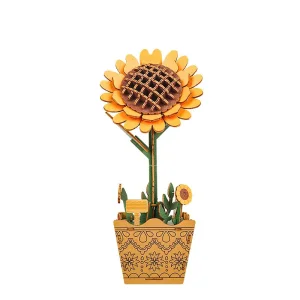
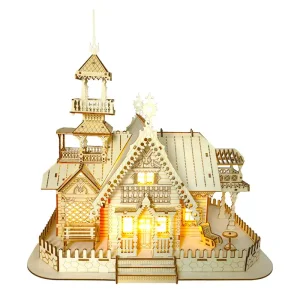
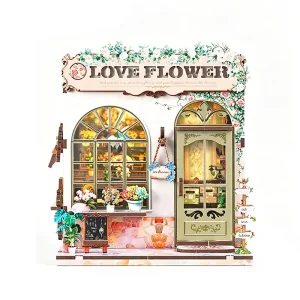
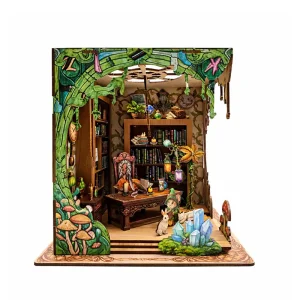
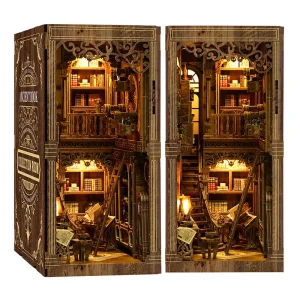
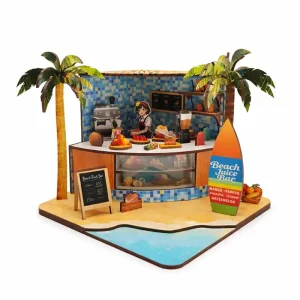
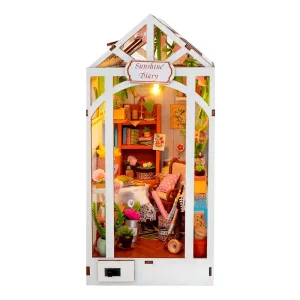
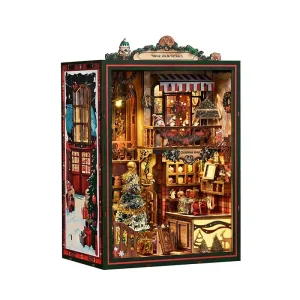
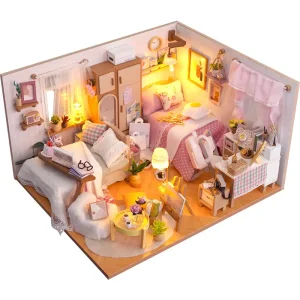
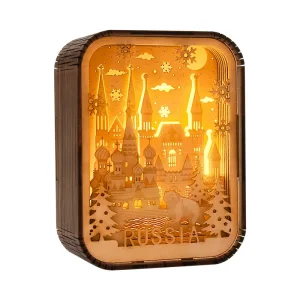
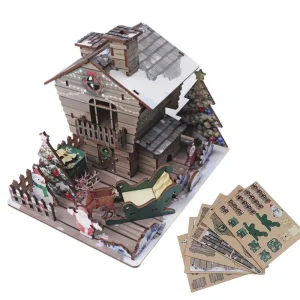
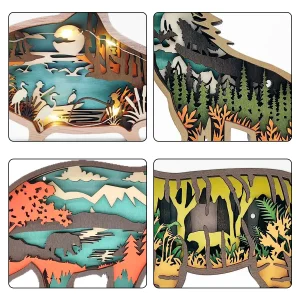
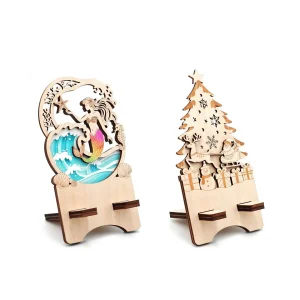
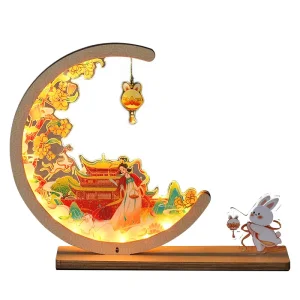
LINYI WOODEN TOYS LIMITED COMPANY is a professional OEM/ODM manufacturer specializing in wooden DIY kits, 3D wooden puzzles, miniature house kits with LED lights, book nook kits, wooden educational toys, Montessori toys, and custom wooden craft products.
We provide one-stop services from product concept development, structure design, laser cutting, laser engraving, UV printing, assembly testing, and instruction design to custom packaging and bulk production. Our products are suitable for toy brands, gift retailers, hobby shops, museum stores, e-commerce sellers, and private label buyers.
Our factory processes prioritize raw material quality, precise processing, and reliable structural designs, helping clients launch market-ready products with minimized developmental friction.
 CraftODM