Choosing the right 3D wood puzzle for your collection can be a delightful challenge. These intricate puzzles offer not just entertainment, but a chance to engage with craftsmanship and creativity. Each 3D wood puzzle is unique, showcasing different designs and levels of complexity.
When selecting a puzzle, consider your skill level and interests. A beginner might prefer simpler designs, while seasoned enthusiasts may seek more challenging pieces. The materials used in crafting these puzzles also play a role. High-quality wood ensures durability and an enjoyable building experience. However, not all puzzles are created equal. Some may lack clarity in instructions, leading to frustration rather than fun.
Take time to research the brand and read reviews. Reliable sources often highlight the best options for various interests. Remember, the joy of collection comes from both the assembly and the final display. Finding that perfect 3D wood puzzle can be both rewarding and thought-provoking.
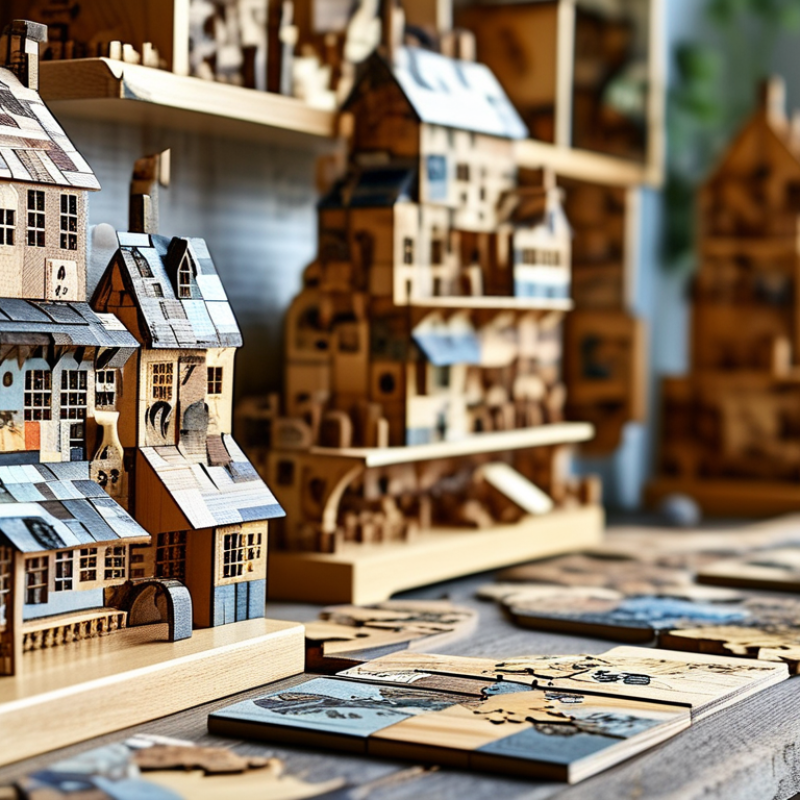
When choosing a 3D wood puzzle, several factors come into play. Consider the complexity of the design. Some puzzles are straightforward, while others present a challenge. Think about your skill level and available time. A complex puzzle may take hours to complete. Make sure you’re prepared for the effort.
Material quality is another important aspect. High-quality wood ensures durability and a smoother finish. Look for puzzles that use sustainable materials. This not only benefits the environment but also enhances the overall experience. Check if the pieces fit well together. Loose or poorly made pieces can lead to frustration.
Lastly, think about the theme and style of the puzzle. Choose designs that resonate with your personal interests. Whether it's nature, architecture, or fantasy, pick a puzzle that excites you. Reflect on how this addition will fit into your collection. Each puzzle should tell a story or spark joy, enhancing your overall enjoyment in the hobby.
When exploring 3D wood puzzles, it’s essential to understand the types available. These puzzles vary by complexity and design. Many feature intricate cutouts that reveal stunning shapes when assembled. Different styles attract different collectors. For instance, mechanical puzzles move, while architectural models showcase famous structures.
Choosing a puzzle involves considering your interests. If you enjoy nature, look for animal-themed designs. For history buffs, consider monuments or landmarks. Take note of the materials used. High-quality wood ensures durability and a pleasant tactile experience. Less expensive puzzles might not offer the same longevity.
Sometimes, the puzzle’s level of difficulty can surprise you. A beautifully crafted design may take longer to assemble than expected. This can lead to frustration, especially for beginners. It's crucial to read reviews or watch assembly videos. This helps you gauge the experience level required. Understanding these types and aspects assists in making an informed decision for your collection.
When selecting a 3D wood puzzle, understanding the difficulty levels is essential. Research shows that 45% of puzzle enthusiasts prefer a moderate challenge. This preference highlights the importance of skill growth for a rewarding experience. Many puzzles fall into three primary categories: easy, medium, and hard. Easy puzzles often appeal to young children and beginners. They require simple assembly and depend on straightforward shapes and few pieces.
Medium puzzles are popular among casual hobbyists. Statistics indicate that 30% of individuals gravitate towards this category. These puzzles offer a balance of challenge and enjoyment, making them ideal for family activities. Hard puzzles cater to advanced enthusiasts. They feature intricate designs that can be quite frustrating. In a survey, 25% of participants expressed difficulty in completing these puzzles without guidance, emphasizing the need for patience and skill.
Choosing the right difficulty level can significantly impact engagement. It is essential to reflect on personal preferences and skill levels. A puzzle that is too easy may lead to boredom. Conversely, one that is too difficult can result in discouragement. Ultimately, the goal is to find a balance that fosters creativity and satisfaction in finishing the project.
When selecting a 3D wood puzzle for your collection, evaluating the material quality is crucial. The type of wood used can greatly impact both the durability and aesthetics of the puzzle. High-quality hardwoods, such as birch or maple, often offer a smooth finish and sturdy construction. They are less likely to warp or break over time. Look for puzzles that highlight their sourcing practices, as this can reveal important information about sustainability.
Sustainability is increasingly important in our consumer choices. Many wood puzzles are made from sustainably harvested materials. This ensures minimal environmental impact. However, not all brands disclose their practices clearly. Some may claim to use eco-friendly materials without providing proof. This transparency can be difficult to navigate.
While aesthetics and sustainability are essential, it’s worth considering how the puzzle feels in your hands. A puzzle that looks good but feels flimsy might not serve long-term enjoyment. Some puzzles may have intricate designs but could lack structural integrity. Observing the balance of visual appeal and tactile experience can lead to a more rewarding selection process.
| Puzzle Name | Material Type | Sustainability Rating | Difficulty Level | Average Price ($) |
|---|---|---|---|---|
| Ancient Temple | Birch Plywood | A+ | Medium | 25 |
| Solar Windmill | Recycled Wood | A | Hard | 30 |
| Forest Cabin | Natural Pine | B+ | Easy | 20 |
| Mechanical Robot | MDF | C | Very Hard | 35 |
| Underwater World | Bamboo | A+ | Medium | 28 |
When selecting a 3D wood puzzle, understanding customer reviews is essential. A survey conducted by the Toy Association revealed that 75% of consumers read reviews before purchasing. Reviews provide insights into the construction quality and complexity of puzzles. These aspects significantly influence satisfaction and the likelihood of repeat purchases.
Another report indicated that nearly 60% of customers prefer brands that offer transparency in their materials and manufacturing process. This highlights the importance of researching brands. Look for reviews discussing the precision of cutting and the quality of wood used. These details affect not only the puzzle's durability but also the enjoyment it provides.
Many reviews can be biased or unverified. It's wise to check multiple sources. Some users might only focus on one aspect, overlooking potential flaws. Evaluating a mix of positive and negative feedback gives a fuller picture. In essence, collecting diverse perspectives leads to a sound choice for your collection.
: There are various types, including mechanical puzzles and architectural models. Each offers unique designs.
Consider your interests. Look for themes that resonate with you, like nature or historical landmarks.
High-quality wood ensures durability. It also provides a better tactile experience when assembling.
Yes, some beautifully crafted puzzles may take longer to assemble than expected. This can frustrate beginners.
Read reviews and watch assembly videos. This helps you understand the complexity and user experience.
Look for balanced feedback. Some reviews may focus on only one aspect, overlooking potential issues.
No, some brands may lack transparency. Researching materials and manufacturing processes can help identify reliable options.
No, reviews can be biased. Check multiple sources for a well-rounded view of the product's quality.
Pay attention to construction quality, cutting precision, and overall satisfaction. These factors affect your enjoyment.
They offer a fuller picture. A mix of positive and negative opinions guides you to a better choice.
When selecting the best 3D wood puzzle for your collection, there are several key factors to consider. First, understanding the different types of 3D wood puzzles available can guide your choice, as each type offers a unique experience. It's also essential to analyze the difficulty levels of puzzles, as they can significantly impact your enjoyment and challenge. Additionally, evaluating the material quality and sustainability of the puzzles ensures that you choose products that are not only enjoyable but also environmentally friendly.
Furthermore, researching brands and reading customer reviews can provide valuable insights into the overall satisfaction of previous buyers, helping you make an informed decision. By considering these factors, you can enhance your collection with 3D wood puzzles that meet your preferences and values.

CraftODM